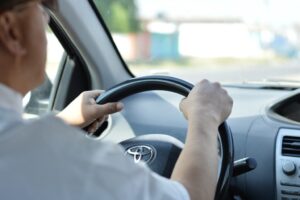
Get to know the driver profession in detail: routine, advantages, etc
The profession of a driver encompasses much more than simply navigating roads and transporting passengers or goods. It involves a blend of technical skills, interpersonal abilities, and often, a deep understanding of logistical challenges.
Ads
In this detailed exploration, we will delve into the daily routine, essential skills, career pathways, and the unique advantages of working in this dynamic field.
*You will remain on our website.*
The profession of a driver encompasses much more than simply navigating roads and transporting passengers or goods. It involves a blend of technical skills, interpersonal abilities, and often, a deep understanding of logistical challenges. In this detailed exploration, we will delve into the daily routine, essential skills, career pathways, and the unique advantages of working in this dynamic field.
What does a driver do?
Drivers play a pivotal role in various industries, each with distinct responsibilities tailored to their specific field:
- Transportation Sector: In the transportation sector, drivers operate vehicles ranging from taxis and buses to trucks and specialized transport vehicles. They transport passengers, goods, or materials between locations efficiently and safely. This involves adhering to traffic laws, maintaining vehicle cleanliness and functionality, and ensuring passenger comfort and safety.
- Logistics and Delivery: In logistics and delivery services, drivers are responsible for timely and secure delivery of goods. They meticulously plan routes to optimize efficiency, minimize fuel costs, and meet delivery deadlines. This sector often requires handling documentation such as delivery receipts, invoices, and manifests.
- Ridesharing and Passenger Services: Drivers in ridesharing services or passenger transport focus on providing excellent customer service. They interact directly with passengers, ensuring a pleasant and safe journey. This role demands good interpersonal skills, knowledge of local routes, and the ability to adapt to varying passenger needs.
- Specialized Driving Roles: Some drivers specialize in niche areas such as chauffeuring, where they cater to clients requiring private transportation. This may involve maintaining a high level of discretion, providing additional services like luggage handling, and adhering to specific client preferences.
- Emergency and Public Service: Drivers in emergency services, such as ambulance drivers or firefighters, play critical roles in responding swiftly to emergencies. They navigate through traffic while ensuring the safety of patients or emergency personnel. Public service drivers, like those in public transit, contribute to urban mobility by transporting passengers along designated routes.
In all these roles, drivers must possess sharp situational awareness, a strong sense of responsibility, and the ability to make quick decisions under pressure. They are not only drivers but also ambassadors for their respective organizations, embodying professionalism and reliability in every journey they undertake.
Interpersonal skills necessary to be a good professional in the field
To excel as a driver, certain interpersonal skills are indispensable:
- Communication: Clear and effective communication is crucial, whether interacting with passengers, colleagues, or dispatchers.
- Patience and Adaptability: Dealing with varying traffic conditions, unexpected delays, or challenging passengers requires patience and adaptability.
- Problem-Solving: Quickly resolving issues such as vehicle malfunctions or route changes demands strong problem-solving skills.
- Empathy: Understanding and responding to the needs of passengers or clients with empathy enhances customer satisfaction.
- Teamwork: Collaboration with colleagues in logistics or transportation settings ensures smooth operations.
How to start a career as a driver?
Starting a career as a driver typically involves several key steps:
- Acquire Necessary Licenses: Depending on the type of driving (e.g., commercial vehicles), obtaining the required licenses and certifications is essential.
- Gain Experience: Entry-level positions often require some driving experience. Internships, apprenticeships, or starting as a delivery driver can provide valuable experience.
- Continuous Learning: Keeping abreast of traffic laws, safety regulations, and advancements in vehicle technology through training programs or certifications.
- Networking: Building connections within the industry can lead to job opportunities and career advancement.
What are the advantages of working as a driver?
Working as a driver offers several advantages that make it an attractive career choice:
- Flexibility: Many driving roles offer flexible schedules, which can accommodate personal commitments and preferences.
- Diverse Opportunities: Drivers are needed across various industries, from ridesharing services and delivery companies to public transportation and logistics firms.
- Job Security: The demand for skilled drivers remains steady, providing job security even during economic fluctuations.
- Skill Development: Drivers continually refine their driving skills, customer service abilities, and logistical knowledge, contributing to personal and professional growth.
- Independence: For those who enjoy working independently and on-the-go, driving professions offer autonomy and freedom.
Conclusion
In conclusion, the profession of a driver encompasses diverse responsibilities, from ensuring safety and efficient transportation to delivering excellent customer service. Successful drivers not only possess technical proficiency but also excel in interpersonal skills such as communication, problem-solving, and adaptability. Starting a career as a driver requires obtaining the necessary licenses, gaining experience, and continuous learning. The advantages of this profession include flexibility, diverse job opportunities, job security, skill development, and independence. Overall, being a driver is not just a job but a dynamic career path that rewards dedication, skill, and professionalism.
SEE MORE: