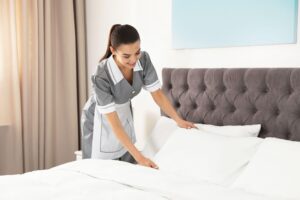
Learn More About Housekeeper Profession in Detail: Routine, Advantages, etc.
Housekeeping is a vital profession that ensures cleanliness and order in various environments, including hotels, homes, and offices. Housekeepers play a crucial role in maintaining a pleasant and hygienic atmosphere for residents and guests.
Ads
This article will provide an in-depth look at the housekeeper profession, covering the daily routine, required skills, career paths, and advantages of working in this field.
*You will remain on our website.*
Housekeeping is often seen as a behind-the-scenes role, but it is essential for the smooth functioning of many establishments. Housekeepers are responsible for creating a clean, safe, and welcoming environment. This profession requires a combination of physical stamina, attention to detail, and interpersonal skills. The following sections will delve into the specific duties of housekeepers, the skills they need, how to start a career in housekeeping, and the benefits of working in this profession.
What Does a Housekeeper Do?
Housekeepers have a variety of responsibilities that can vary depending on their workplace. However, some common tasks include:
- Cleaning and Sanitizing: This includes dusting, vacuuming, mopping floors, cleaning bathrooms, and sanitizing surfaces to ensure a hygienic environment.
- Laundry: Washing, drying, and folding linens and clothing. This can also involve ironing and organizing closets.
- Restocking Supplies: Ensuring that toiletries, towels, and other supplies are replenished regularly.
- Organization: Keeping rooms, kitchens, and other areas tidy and well-organized.
- Maintenance Reporting: Notifying management about any repairs or replacements needed for furniture, fixtures, or equipment.
- Guest Services: In hotels, housekeepers might interact with guests, addressing their needs and ensuring their comfort.
The role of a housekeeper requires a high level of efficiency and the ability to handle multiple tasks simultaneously. Each day can bring new challenges, making the job dynamic and varied.
Interpersonal Skills Necessary to Be a Good Professional in the Field
To excel as a housekeeper, certain interpersonal skills are crucial:
- Attention to Detail: Ensuring that no spot is missed during cleaning and that everything is in its proper place.
- Communication: Effectively communicating with supervisors, coworkers, and sometimes guests to ensure smooth operations.
- Time Management: Prioritizing tasks and managing time efficiently to complete all duties within a given timeframe.
- Customer Service: Providing friendly and responsive service to guests or residents, addressing their needs promptly.
- Teamwork: Working collaboratively with other staff members to achieve a common goal.
- Problem-Solving: Quickly addressing any issues that arise, whether it’s a maintenance problem or a guest request.
These skills not only make a housekeeper more effective but also enhance the overall experience for those who benefit from their services.
How to Start a Career as a Housekeeper?
Starting a career as a housekeeper can be straightforward, but it requires some preparation:
- Education and Training: While formal education is not always necessary, completing high school can be beneficial. Some vocational schools offer courses in housekeeping and hospitality.
- Experience: Gaining experience through entry-level cleaning jobs or internships in hotels can be valuable. Many employers provide on-the-job training.
- Certifications: Obtaining certifications, such as the Certified Executive Housekeeper (CEH) designation, can enhance your credentials and career prospects.
- Networking: Building connections within the hospitality industry can help you find job opportunities and advance your career.
- Resume and Application: Prepare a professional resume highlighting your skills and experience. Apply to various hotels, cleaning companies, and other establishments.
With dedication and a willingness to learn, you can build a successful career in housekeeping.
What is the Advantage of Working as a Housekeeper?
Working as a housekeeper offers several benefits:
- Job Security: There is a consistent demand for housekeeping services in hotels, hospitals, offices, and private homes, providing stable employment opportunities.
- Flexibility: Housekeeping jobs often offer flexible schedules, which can be ideal for those needing to balance work with personal responsibilities.
- Physical Activity: The job involves physical tasks that can keep you active and fit.
- Skill Development: Housekeepers develop valuable skills such as time management, attention to detail, and customer service, which are transferable to other professions.
- Job Satisfaction: There is a sense of accomplishment in creating a clean and comfortable environment for others.
- Career Advancement: With experience and further training, housekeepers can advance to supervisory roles or specialize in areas like housekeeping management.
These advantages make housekeeping an appealing career choice for many.
Conclusion
The housekeeper profession is essential for maintaining cleanliness and order in various settings. Housekeepers perform a range of tasks, from cleaning and organizing to providing guest services. They require a blend of technical and interpersonal skills to excel in their roles. Starting a career as a housekeeper involves gaining experience, possibly obtaining certifications, and building a professional network. The profession offers job security, flexibility, physical activity, and opportunities for skill development and career advancement. With these insights, you may have a better chance of appreciating and considering a career in housekeeping.
SEE MORE: