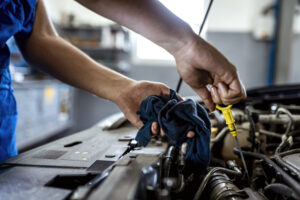
Get to know the mechanic profession in detail: routine, advantages, etc.
Whether it’s ensuring that cars, trucks, and buses transport people safely, or maintaining heavy machinery used in construction and manufacturing, mechanics are essential to the functionality and productivity of countless sectors.
Ads
This text delves into the intricacies of mechanics’ daily routines, the essential skills required to excel in their field, the diverse career paths available, and the numerous advantages that come with pursuing a career in automotive and machinery maintenance.
*You will remain on our website.*
Mechanics play a crucial role in keeping vehicles and machinery operational, making their profession indispensable to various industries. This text explores the mechanics’ daily routines, necessary skills, career paths, and the advantages of working in this field.
What does a Mechanic do?
Mechanics are skilled professionals responsible for the maintenance, repair, and inspection of vehicles and machinery. Their daily tasks involve:
- Diagnosis and Troubleshooting: Mechanics use diagnostic tools and equipment to identify mechanical, electrical, and electronic issues in vehicles. They conduct thorough inspections to pinpoint problems accurately, which may include engine misfires, transmission issues, brake malfunctions, or electrical system failures.
- Repair and Maintenance: Once problems are identified, mechanics perform necessary repairs and replacements of damaged or worn-out components. This includes tasks such as engine repairs, brake pad replacements, suspension adjustments, and steering system alignments. Routine maintenance tasks like oil changes, fluid checks, and tire rotations are also part of their responsibilities.
- Technical Expertise: Mechanics possess in-depth knowledge of automotive systems and components. They understand engine operations, transmission functions, braking systems, and electrical circuits. This expertise allows them to interpret diagnostic data, execute repairs efficiently, and ensure vehicles operate safely and reliably.
- Adherence to Safety Standards: Mechanics prioritize safety protocols during repairs and maintenance activities. They follow manufacturer guidelines and industry regulations to prevent accidents and ensure vehicle safety. This includes using appropriate tools, handling hazardous materials responsibly, and conducting thorough quality checks post-repair.
- Customer Interaction: Mechanics interact directly with vehicle owners or fleet managers to discuss repair options, explain costs, and provide maintenance advice. Effective communication skills are essential to building trust, addressing client concerns, and ensuring customer satisfaction.
- Continual Learning: With advancements in automotive technology, mechanics engage in ongoing training to stay updated on new vehicle models, diagnostic techniques, and repair methodologies. Continuing education and certifications, such as those from ASE (Automotive Service Excellence), demonstrate proficiency and enhance career opportunities.
- Team Collaboration: In larger repair facilities or dealerships, mechanics may collaborate with other technicians, service advisors, and parts specialists to streamline operations and deliver comprehensive automotive services. Teamwork ensures efficient workflow and effective problem-solving strategies.
By fulfilling these roles, mechanics play a pivotal role in maintaining vehicle performance, prolonging vehicle lifespan, and enhancing overall driving safety. Their expertise and dedication ensure that vehicles operate optimally, providing reliable transportation for individuals and businesses alike.
Interpersonal skills necessary to be a good professional in the field
Aside from technical expertise, successful mechanics possess essential interpersonal skills. Effective communication is vital for understanding clients’ concerns and explaining technical issues in layman’s terms. Problem-solving skills are also crucial as mechanics often encounter complex issues that require logical thinking and troubleshooting abilities. Additionally, attention to detail ensures that repairs are conducted meticulously, enhancing reliability and safety.
How to start a career as a Mechanic?
Starting a career as a mechanic typically involves completing a vocational training program or an apprenticeship. These programs provide hands-on experience and theoretical knowledge in automotive technology, electrical systems, and engine diagnostics. Certification from organizations like the National Institute for Automotive Service Excellence (ASE) further validates skills and enhances employability. Entry-level positions in repair shops, dealerships, or fleet maintenance facilities offer practical training opportunities to refine skills and gain industry experience.
What is the advantage of working as a Mechanic?
Working as a mechanic offers several advantages:
- Job Stability: The automotive industry is resilient, with consistent demand for skilled mechanics regardless of economic fluctuations.
- Career Versatility: Mechanics can specialize in various vehicle types, such as cars, trucks, motorcycles, or heavy machinery, allowing for diverse career paths.
- Hands-on Work: Mechanics enjoy the satisfaction of solving mechanical puzzles and seeing tangible results from their work.
- Earning Potential: Experienced mechanics with specialized skills can command competitive salaries and benefit from overtime opportunities.
- Industry Demand: With advancements in automotive technology, there is a growing need for mechanics who can service modern vehicles equipped with complex systems.
- Independence: Some mechanics operate their own repair shops or work independently, offering flexibility and entrepreneurial opportunities.
Conclusion
In conclusion, becoming a mechanic involves acquiring technical skills, interpersonal competencies, and industry certifications. The profession offers stability, career growth, and the satisfaction of solving mechanical challenges. Whether employed in repair shops, dealerships, or as independent contractors, mechanics play a vital role in ensuring vehicles operate safely and efficiently. By embracing continuous learning and honing their craft, aspiring mechanics can build rewarding careers in this dynamic field.
SEE MORE: